
Never fear losing your teeth to periodontal disease again.
What you need to know about periodontits: meaning and clinical cases
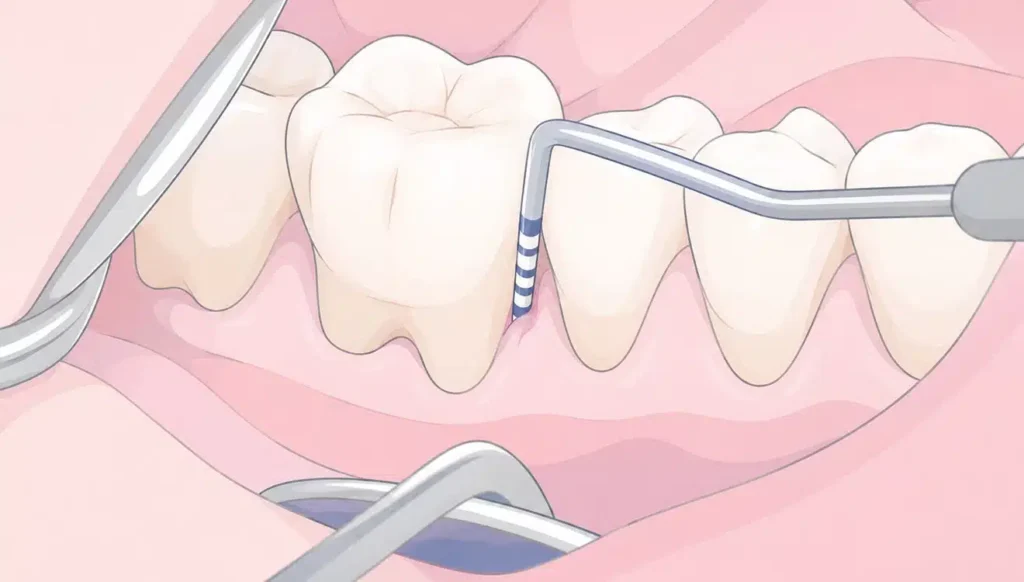
Periodontitis (periodontal disease) is an inflammatory condition caused by bacteria that affects the periodontium, the tissues that support the teeth. If left untreated by a periodontist, it can lead to bone and gum loss, causing teeth to become loose and, in the most severe cases, eventually resulting in tooth loss.
The main cause of periodontitis is the buildup of dental plaque, a white, sticky substance made up of bacteria and food debris. Plaque forms a film on the teeth that can harden and turn into tartar.
Risk factors
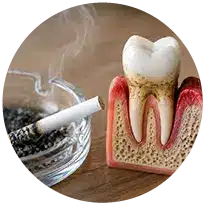
Several factors can increase the risk of periodontitis, including smoking, diabetes, hormonal changes, and genetic predisposition.
Main symptoms
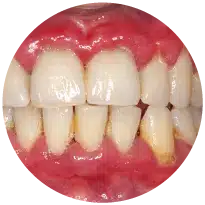
Swollen, red, or bleeding gums when brushing or flossing, gum recession, and bad breath are common symptoms of periodontitis.
How it is treated
Removing all plaque and tartar from below the gumline can stop the progression of periodontitis. In more severe cases, surgery may be necessary.
Can periodontitis be treated?
If you have had gingivitis for a long time, it may progress to periodontitis. This condition is associated with a genetic predisposition, which means that gingivitis does not always develop into periodontitis (also known as periodontal disease). Are you worried about losing your teeth?
If your gums have been swollen and bleeding for a long time and you want to avoid having to replace your natural teeth with dental implants, you should contact an experienced periodontist as soon as possible. When your teeth start to become loose, it is important to consult a dentist experienced in periodontology rather than relying on remedies for gingivitis. As periodontal pockets become deeper and more pronounced, saving the affected teeth can become increasingly difficult. An inadequate dental cleaning may fail to completely remove tartar below the gumline, leading to gum inflammation and recession and contributing to the progression of periodontitis. This is why even professional dental cleaning should be carried out by clinicians with expertise in periodontal care.
Periodontitis can be treated, even in severe cases. It is not necessarily an irreversible process that inevitably leads to tooth loss and subsequent implant placement. Dental implants are not a treatment for periodontitis itself. Seeking the advice of a specialist is essential, as appropriate periodontal treatment may make it possible to save your natural teeth and avoid losing them.Patients who have lost teeth due to periodontitis may also be at increased risk of problems affecting dental implants if the underlying periodontal condition is not properly managed by a periodontist.
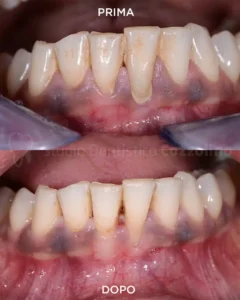
In more advanced cases of periodontitis, periodontal procedures and surgery may be required to eliminate or reduce periodontal pockets. The appropriate treatment for periodontitis depends on the severity of the condition.
I want to permanently solve my periodontitis
Overcome anxiety and embarrassment when you smile.
Who treats periodontitis?
Periodontitis is treated by a dentist experienced in treating this condition, which affects the area known as the periodontium. At Studio Dentistico Cozzolino, treatments for periodontitis—including both surgical procedures and non-invasive treatments without sutures or incisions—are performed by Dr Fabio Cozzolino, a periodontist and implantology expert.

Dr Fabio Cozzolino is the author of this guide. He is an oral surgeon with expertise in periodontitis, dental implants, and atraumatic tooth extractions using the EWF method. He has published numerous studies and has refined a forceps-free extraction technique that uses only dental elevators.
What is periodontitis and how does it develop?
Periodontitis – also known as pyorrhea, from the Ancient Greek pyon (pus) and rhein (to flow), meaning “discharge of pus” – is a degenerative inflammatory disease of the gums that causes the destruction of the tissues supporting the teeth:
- Bone.
- Gums.
- Cementum.
- Periodontal ligament.
Periodontology is the branch of dentistry concerned with the prevention, diagnosis, and treatment of conditions affecting the tissues that support the teeth, such as the gums and bone. These inflammatory and degenerative conditions, commonly known as pyorrhea or periodontitis, can lead, if left untreated, to the progressive destruction of the tissues surrounding the teeth and eventually to tooth loss.
If you neglect your oral hygiene, bacteria form dental plaque, a white, sticky layer. Bacterial toxins can cause gingivitis, which may result in bleeding gums when you brush your teeth. If gingivitis persists for a long time, in predisposed individuals the inflammation can spread from the gums to the periodontal tissues (potentially leading to acute periodontitis) and can destroy the periodontal fibres and alveolar bone that support the teeth.
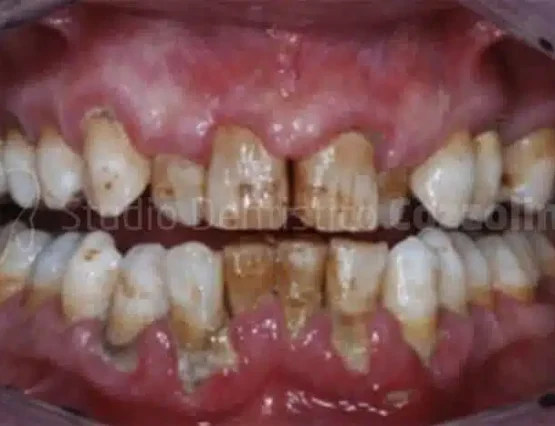
This disease causes a loss of the tissues (bone and gums) that support the teeth. The bone loss occurring around the teeth is not always immediately noticeable. In fact, as severe periodontitis develops around the teeth, the gums become inflamed and visibly swollen.
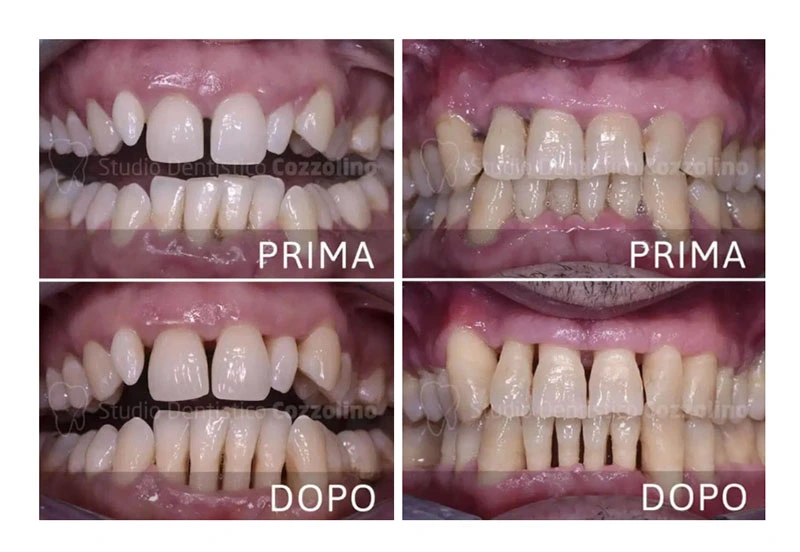
For this reason, we do not immediately see the gums receding around the teeth. As the bone recedes, the gums swell, making the gumline appear unchanged from the outside. The main visible warning sign is red, slightly swollen gums that bleed when brushing. Here are some cases with images showing periodontitis affecting the upper and lower dental arches.
What factors contribute to periodontitis?
The underlying cause of periodontitis is bacterial and is associated with the accumulation of plaque, which can then calcify and turn into tartar. There are also several risk factors that can contribute to periodontitis and periodontal problems. Periodontitis is an inflammatory disease associated with factors such as poor oral hygiene and systemic conditions including diabetes, heart disease, and pregnancy-related complications.
Smoking
Heavy smokers (10 or more cigarettes per day) have a higher risk of developing a periodontal infection than non-smokers. Tobacco is an important risk factor, particularly because of the tar produced by cigarette combustion. Periodontitis in smokers can progress more rapidly and may have a more aggressive course and respond less favourably to treatment.
Periodontists strongly advise against smoking. In smokers, even when active periodontal pockets are present, the gums may not bleed because smoking can mask the symptom of gum bleeding. Pain is not always present either. Patients often experience a general feeling of discomfort in their gums rather than specific pain. Today, newer medications such as Recigar are available to help people stop smoking.
Genetic predisposition
Some people develop periodontal disease despite impeccable oral hygiene, while others may have healthy periodontal tissues despite high levels of plaque and tartar. Today, we know that approximately 30% of the population has a genotype associated with a predisposition to periodontitis (SIDP), while periodontal disease affects around 40% of people in industrialised countries. The most severe forms affect more than 10% of the world’s population (ISS). In simple terms, the bacteria found in plaque that contribute to periodontitis may be inherited from one’s parents.
The types of bacteria found in tartar can be influenced by genetic predisposition. People whose parents had periodontitis may inherit a tendency to harbour periodontopathogenic bacteria in their plaque—bacteria capable of damaging the periodontium and therefore causing periodontitis. It follows that if all plaque and tartar are removed and an effective at-home oral hygiene maintenance protocol is established to prevent them from accumulating again, even severe cases of periodontitis can be stabilised and their progression stopped.
Stress and systemic conditions
There is a link between stress, which can weaken the immune system, and periodontal disease. Systemic conditions can also be associated with periodontitis. These include poorly controlled diabetes with high blood glucose levels, certain forms of rheumatoid polyarthritis, and congenital or acquired immune deficiencies (AIDS).
Inadequate oral hygiene
You should not go more than eight hours between brushing your teeth. You should floss regularly and brush your teeth at least three times a day. Plaque deposits can become difficult to remove with a toothbrush after as little as seven hours. If plaque is not removed, it can calcify and turn into tartar, which can no longer be removed with a toothbrush. Both plaque and tartar contain bacteria associated with periodontitis.
Black tartar is tartar that forms below the gumline. Its dark colour is caused by the oxidation of haemoglobin in blood associated with the gingival inflammation that often accompanies these deposits. Tartar can become black over the course of several years and may contribute to various periodontal problems.
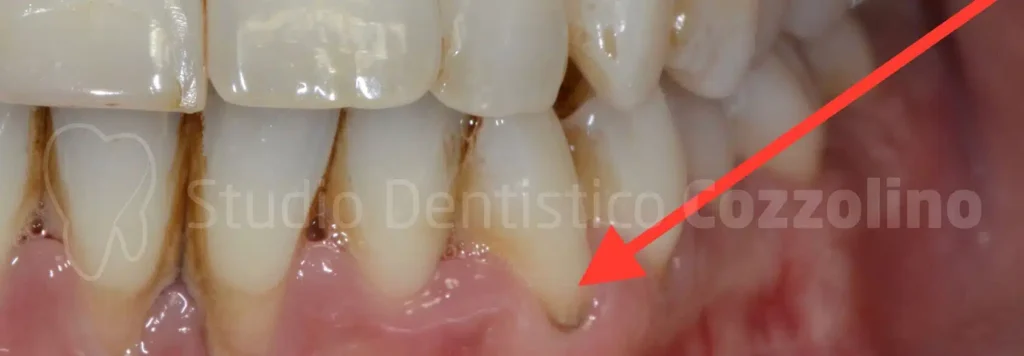
Subgingival tartar causes bad breath and is a major cause of bone loss. Over the years, tartar becomes increasingly calcified, to the point that it can even be seen on X-rays. Here is an example of a real case that clearly shows the damage caused by periodontal infection.
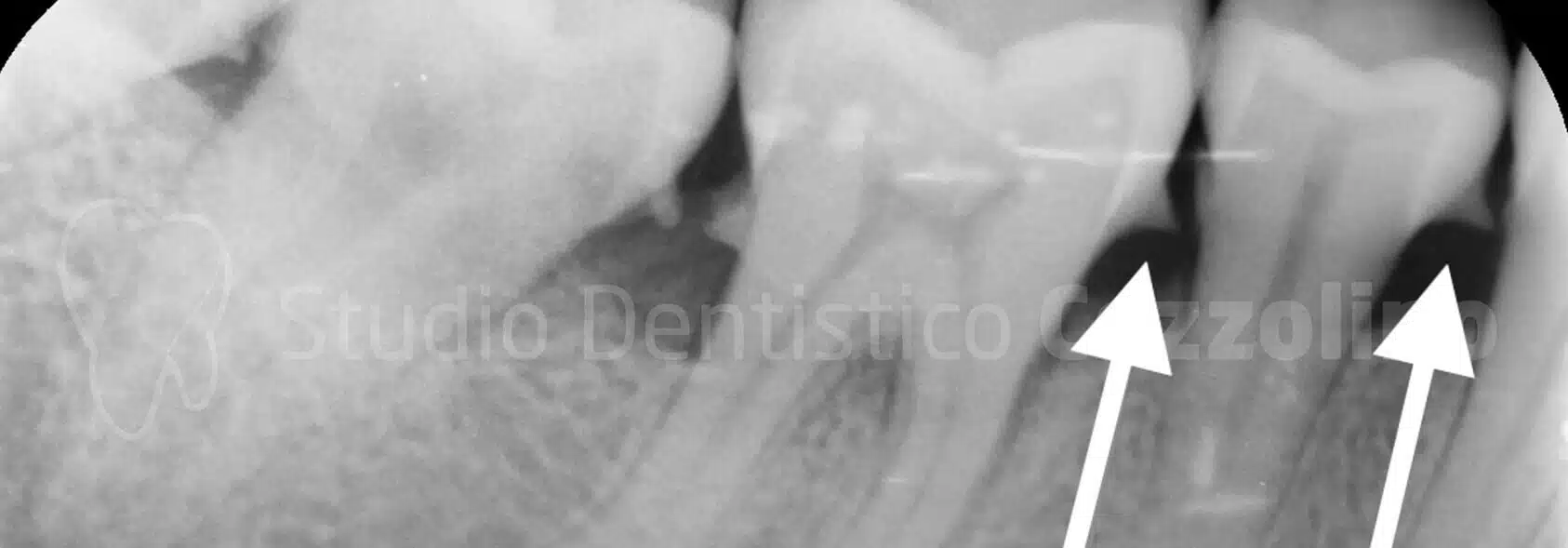
Subgingival tartar causes bad breath and is a major cause of bone loss. Over the years, tartar becomes increasingly calcified, to the point that it can even be seen on X-rays. Here is an example of a real case that clearly shows the damage caused by periodontal infection.
This can happen when a patient has not undergone professional dental cleaning for several years, or when previous cleanings were performed too superficially without causing any discomfort or pain. In these cases, periodontal treatment is required. The complete removal of tartar, combined with an appropriate maintenance protocol designed to prevent new plaque and tartar from accumulating, can stop and stabilise even the most severe forms of periodontitis.
Disease progression and symptoms?
The signs and symptoms of periodontitis can be subtle. Swollen and inflamed gums can conceal the actual bone loss, which is not visible from the outside, leading patients to underestimate the problem. Bleeding gums during brushing are also often underestimated. Healthy gums should not bleed.
Bleeding gums are a sign of a periodontal problem (gingivitis or periodontitis) and indicate that the condition is not stable or under control. However, the absence of bleeding is not a reliable indicator and does not rule out the presence of a periodontal infection.
Classification according to SIdP/EFP guidelines
The severity of periodontal disease can be determined by assessing a number of parameters. Periodontal classification is divided into stages and grades. The stage describes the severity of the disease at the time of diagnosis and the complexity of its treatment, while the grade provides information about how quickly the disease is progressing and the influence of systemic risk factors such as smoking and diabetes.
Stage of periodontitis
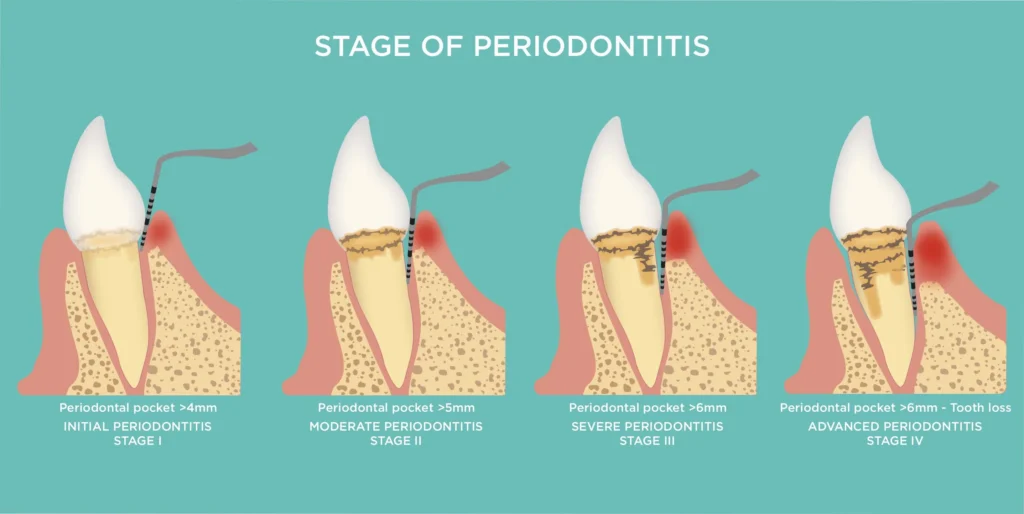
Staging is primarily based on interproximal clinical attachment loss (CAL) at the site with the greatest destruction, radiographically detectable bone loss (RBL), and tooth loss specifically caused by periodontal disease. The stages are numbered from I to IV, reflecting progression from an initial form to advanced and disabling disease.
Stage I: initial periodontitis
This stage marks the transition from gingivitis to destruction of the periodontium. Clinical attachment loss is limited to 1–2 mm, while radiographic bone loss affects less than 15% of the root length. Patients often experience no symptoms, and periodontal pockets do not exceed 4 mm. Early diagnosis is essential.
Stage II: moderate periodontitis
At this stage, bone loss is more evident, affecting 15–33% of the root length. Clinical attachment loss increases to 3–4 mm, and periodontal pockets can reach 5 mm. No teeth have yet been lost due to periodontal disease, and clinical management remains based on non-surgical treatments to remove tartar.
Stage III: severe periodontitis
Clinical attachment loss is ≥5 mm, and bone loss extends beyond the middle third of the root. The condition becomes more complex, with periodontal pockets ≥6 mm, furcation involvement, and vertical bone defects. The patient may already have lost up to four teeth due to the disease.
Stage IV: advanced periodontitis
This is the most severe form and can compromise chewing function. It is characterised by the loss of five or more teeth, severe chewing dysfunction, marked tooth mobility, occlusal collapse, and tooth migration (flaring).
Grade of periodontitis
Grading assesses the likelihood of periodontitis progression and the expected response to treatment. The grade can be modified by the presence of risk factors that affect the patient’s immune response. The new classification explicitly recognises that periodontitis is not simply a disease of the mouth, but a condition that is systemically influenced by the patient’s overall health. Smoking and diabetes are the two main risk factors for the progression of periodontal disease.
Grade A: low risk of progression
There has been no attachment or bone loss over the past 5 years. The bone loss-to-age ratio is below 0.25 (for example, an 80-year-old patient with 15% bone loss). Patients are typically non-smokers and do not have diabetes.
Grade B: moderate risk of progression
Progression is slow to moderate (<2 mm over 5 years), and the bone loss-to-age ratio ranges from 0.25 to 1.0. This grade includes light smokers (<10 cigarettes per day) and patients with diabetes with good glycaemic control (HbA1c <7%).
Grade C: high risk of progression
This grade identifies highly susceptible patients or those with significant risk factors. Tissue destruction is rapid and often disproportionate to the amount of plaque present. The bone loss-to-age ratio is greater than 1.0.
How is pyorrhea diagnosed?
Regular check-ups using periodontal assessment techniques are essential for identifying mild, early-stage periodontitis and preventing it from progressing to a severe or acute form, as well as for addressing inadequate oral hygiene. The diagnosis of periodontitis is carried out by a periodontist using:
- Intraoral X-rays.
- Periodontal pocket probing.
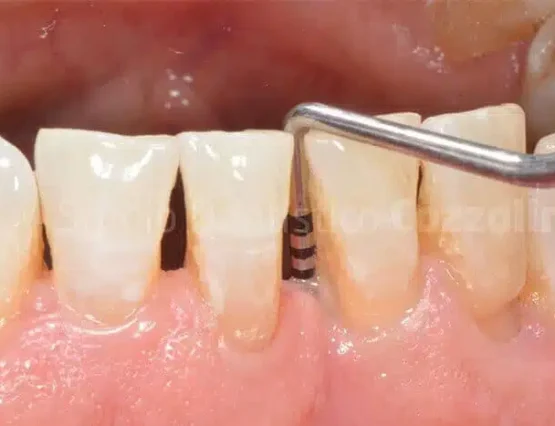
At our dental practice, periodontal probing is routinely performed on all patients. A graduated periodontal probe is gently moved along the gumline to measure the depth of the periodontal pockets around each tooth. In healthy gums, the measured depth is 1–2 mm. Probing depths greater than 4 mm often indicate the presence of periodontitis. We will now take a closer look at the diagnostic procedures.
Intraoral X-rays
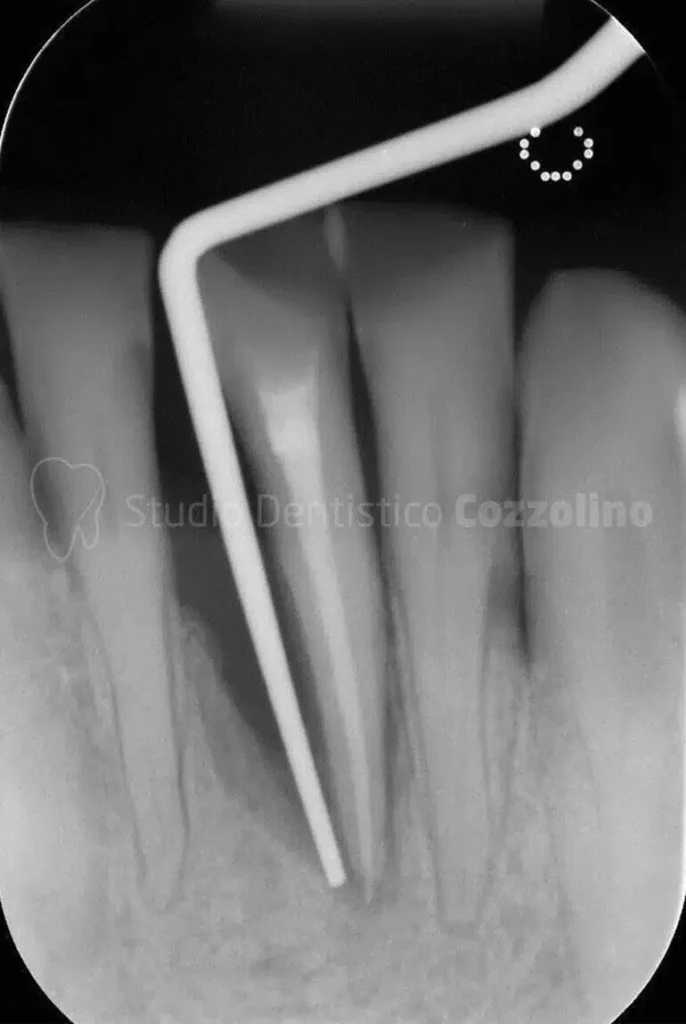
Intraoral X-rays allow the anatomy of an individual tooth to be assessed. In addition to their use in root canal treatment to measure canal length and determine the shape and number of roots, and in restorative dentistry to assess the extent of tooth decay, they are also used in periodontal treatment to measure the amount of bone loss and assess the morphology of periodontal defects.
For the radiographic assessment of periodontal disease, intraoral X-rays are taken for each area of the mouth. A full-mouth radiographic series consists of at least 16 intraoral X-rays and allows us to accurately assess the bone levels around the teeth and identify any bone loss.
An orthopantomogram, or panoramic X-ray (OPG), provides a useful general overview. However, for a more accurate assessment of bone levels, intraoral X-rays are required, as they provide greater detail.
Microbiological test
A microbiological test provides information about the main bacteria present within periodontal pockets. It is performed by inserting a paper point into the periodontal pockets to collect gingival crevicular fluid, which is then analysed for the presence of pathogenic bacteria.
This test can be used to determine a targeted antibiotic therapy aimed at treating the infection. Bacteria associated with the progression of periodontal disease include “Porphyromonas gingivalis, Treponema denticola, Aggregatibacter actinomycetemcomitans, Prevotella intermedia”, and many others.
The presence and combination of these bacteria may contribute to the development of periodontitis of varying severity. However, microbiological testing is not always necessary, as periodontal treatment is primarily aimed at eliminating the bacterial plaque and tartar that harbour these microorganisms.
Predisposition test
A saliva sample is collected using a swab to detect the presence of interleukin-1 alpha, which is associated with periodontal lesions. Knowing that a patient has a predisposition to developing periodontitis makes it possible to monitor its progression and intervene when lesions are still at an early stage. This test is not necessary if the patient undergoes appropriate initial treatment and maintenance therapy.
Periodontal probing and bleeding on probing
Periodontal probing is one of the most important examinations for diagnosing periodontal disease. It assesses gum health, identifies the presence and location of periodontal pockets, and determines whether periodontitis is active by evaluating bleeding on probing. The examination is performed using a periodontal probe to measure the depth of the gingival sulcus and the level of attachment loss around each tooth.
The periodontal probe is inserted gently beneath the gumline. Anaesthesia is not required for this procedure, which takes only a few seconds. Under normal conditions, the gingival sulcus measures up to 2–3 mm, and up to 5 mm around dental implants.
Measurements beyond these values indicate the presence of a periodontal pocket. What other indicator should be assessed during periodontal probing?
Bleeding on probing is an important sign of active periodontal inflammation. If significant bleeding occurs and the gums bleed following probing by the dentist, this may indicate that the periodontal condition is not under control. This indicator is very important for assessing whether the progression of periodontitis is under control. Healthy gums should not bleed, for example, after tooth brushing. Furcation involvement, tooth mobility, and gingival recession are also assessed. Periodontal probing should be performed at every initial examination.
Radiographic examination and CT scan
A CT scan (computed tomography) is not considered a useful examination for an accurate periodontal assessment. However, an intraoral radiographic examination alone is not sufficient to diagnose periodontitis. It should always be combined with periodontal probing.
We have the solution, to stop periodontitis.
Links with systemic health
Oral health can influence several aspects of our overall health. There is a bidirectional relationship between gum health and conditions such as diabetes, where oral inflammation can make blood glucose levels more difficult to control, as well as cardiovascular disease, where periodontal disease is associated with an increased risk of adverse cardiovascular events. Maintaining the health and integrity of the tissues that support the teeth is therefore an important part of prevention.
Periodontitis and pregnancy
Periodontal diseases are associated with an increased risk of preterm birth and/or low birth weight. Acute inflammatory processes in the mother, even when occurring away from the genitourinary tract, may also play a role in pregnancy complications.
In predisposed individuals, gingivitis can progress to periodontitis, leading to the formation of periodontal pockets, tooth mobility, and tooth loss. Periodontal disease may represent a risk factor for preterm birth or low birth weight. Inflammatory processes affecting the gums can result in the release of prostaglandins into the bloodstream, which are involved in the onset of labour.
Periodontitis and diabetes
People with diabetes have a greater risk of developing gingivitis and periodontitis. Severe periodontitis may also negatively affect glycaemic control. Diabetes mellitus and periodontitis have a bidirectional relationship. High blood glucose levels promote a chronic inflammatory state that can accelerate periodontal destruction. At the same time, chronic periodontal inflammation releases inflammatory mediators into the bloodstream that can increase insulin resistance, worsening glycaemic control in people with diabetes. Studies have shown that periodontal treatment can result in a significant reduction in glycated haemoglobin (HbA1c) levels.
Periodontitis, heart attack and stroke
In addition to the association between periodontitis and Alzheimer’s disease, regular check-ups with a periodontist are important not only for preserving dental health but also as part of managing potential systemic health risks. Periodontitis has been associated with cardiovascular conditions including atherosclerosis, heart attack, and stroke, particularly when periodontal inflammation is not adequately controlled. Bacteria and inflammatory products associated with periodontal pockets can enter the bloodstream. Periodontitis has been linked to systemic inflammation and atherosclerosis, both of which are associated with cardiovascular risk. Atherosclerotic plaques can contribute to the formation of blood clots; if a clot obstructs blood flow to the brain, it can cause a stroke, while obstruction of an artery supplying the heart muscle can cause a heart attack.
Treatment pathway and periodontal therapies
At Cozzolino dental office, the first treatment approach we recommend is the least invasive and does not involve surgery. Treatment consists of the complete removal of tartar and, where necessary, regeneration of lost bone.
Plaque and tartar, which are responsible for periodontitis, are removed through professional dental cleaning sessions and periodontal treatments performed using sonic and ultrasonic instruments below the gumline. Over time, these treatments have largery replaced gingival curettage (scaling) and root planing. Although these techniques are still valid today, they rely exclusively on manual instrumentation and are less affective than treatment with sonic curettes.
Patient motivation and commitment to oral hygiene are essential for controlling periodontitis, along with understanding and correctly following preventive oral hygiene techniques using dental floss, a toothbrush, toothpaste, and a water flosser. According to the Italian Society of Periodontology, the use of lasers does not provide additional benefits in the treatment of periodontitis. One key statement is:
Laser treatment provides no additional benefit when used in combination with conventional therapy.
In aggressive periodontitis, treatment may be supported by pharmacological therapy with antibiotics. Topical antibiotics alone cannot solve periodontitis. These gels have an anti-inflammatory effect on the tissues and may be used alongside periodontal treatments to improve and accelerate healing. Periodontal healing always requires the removal of bacterial deposits, whether calcified or not (tartar and plaque), as these are responsible for the disease.
More serious signs and symptoms, such as periodontal abscesses, tooth migration with the development of gaps, increased tooth mobility, and bad breath, generally occur only when attachment loss extends beyond half to two-thirds of the root length or when the furcations of molars and premolars become involved. When a tooth is lost, it can be replaced with a dental implant.
Conservative and non-surgical approach
Treatment should be carried out by a periodontist with extensive experience in removing as much subgingival tartar, and therefore bacteria, as possible. The patient also plays an essential role and must maintain meticulous oral hygiene four times a day, including the use of additional devices such as a water flosser.
Technology has provided valuable tools for managing periodontitis and preventing rapid tooth loss. Today, sonic handpieces and sonic curettes, microscopes, erythritol-based Airflow, and other devices make it possible to clean even very deep periodontal pockets of more than 10 mm using a closed, non-surgical approach. Once the periodontal pockets have been thoroughly cleaned, they can reduce in depth, helping to bring periodontitis under control.
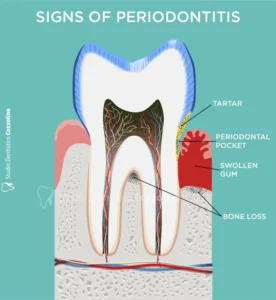
Patients come to our dental practice from all over Europe reporting that their gums have receded after having their periodontal pockets cleaned by a previous periodontist. In these cases, the only mistake made by the clinician is often a lack of communication. It is normal for the gums to recede after appropriate periodontal treatment because, as the gums heal, they stop bleeding and the swelling subsides, revealing the actual extent of the underlying bone loss. As shown in the illustration, where subgingival tartar is present, bone loss can occur.
Regenerative periodontal surgery
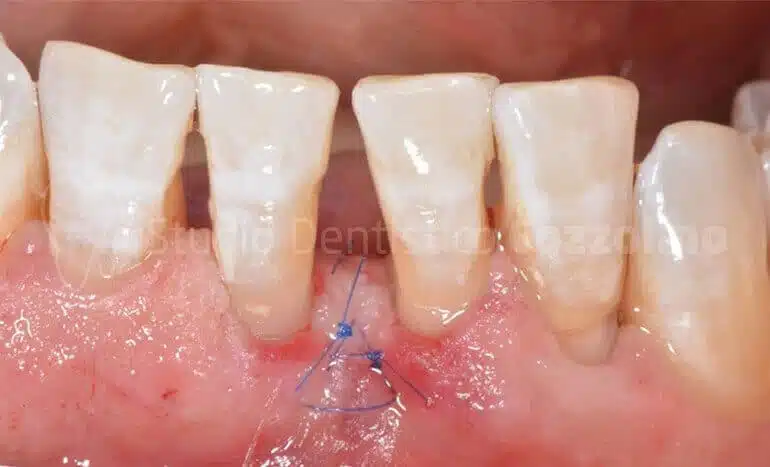
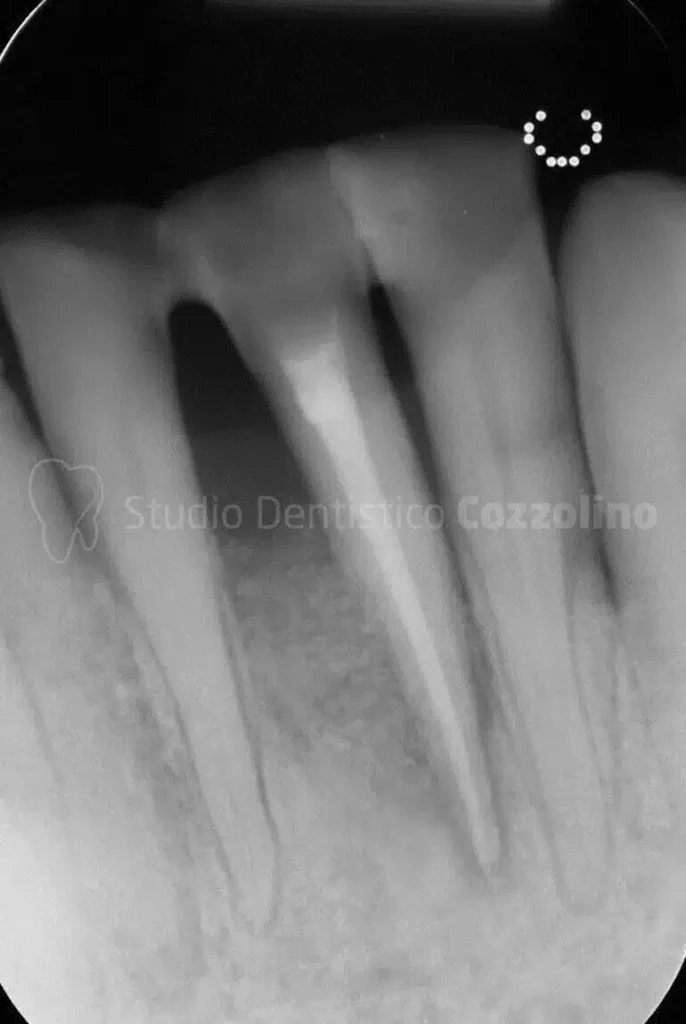
Periodontal tissue regeneration may be considered if deep periodontal pockets remain after the initial phase of conservative treatment. The aim of periodontal surgery is to eliminate periodontal and bone defects.
Root planing and curettage also play a role in treatment. GTR techniques (Guided Tissue Regeneration) can make it possible to regenerate and reconstruct lost periodontal tissues, helping patients preserve their natural teeth rather than replacing them with dental implants. Bone defects are filled with synthetic bone substitutes and covered with resorbable membranes.
The grafting material is gradually replaced by the patient’s own bone. With the aid of a microscope, we perform minimally invasive regeneration around the tooth using the MIST and modified MIST techniques. Growth-promoting agents such as Emdogain may also be used. Applied as a bioactive protein gel to a properly planed and decontaminated root surface, Emdogain promotes the regeneration of bone and periodontal tissues. Periodontal surgery and curettage procedures are performed painlessly under local anaesthesia.
It is important to clarify that regeneration of lost bone is not always possible. Currently, regenerative treatment is not indicated when bone resorption follows a horizontal pattern. In some cases, however, the bone defect around the tooth has a contained morphology that can stabilize the blood clot. In these situations, regeneration of the lost bone may be possible.
Mucogingival surgery and periodontitis
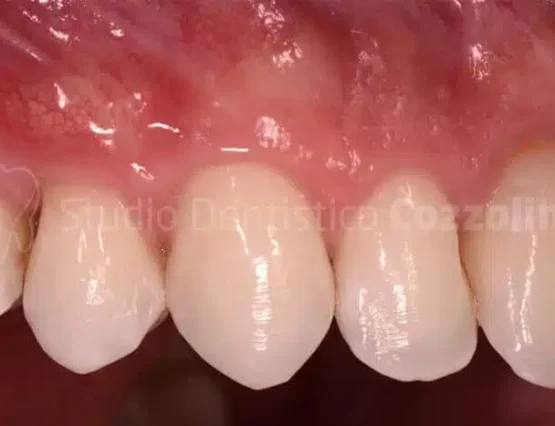
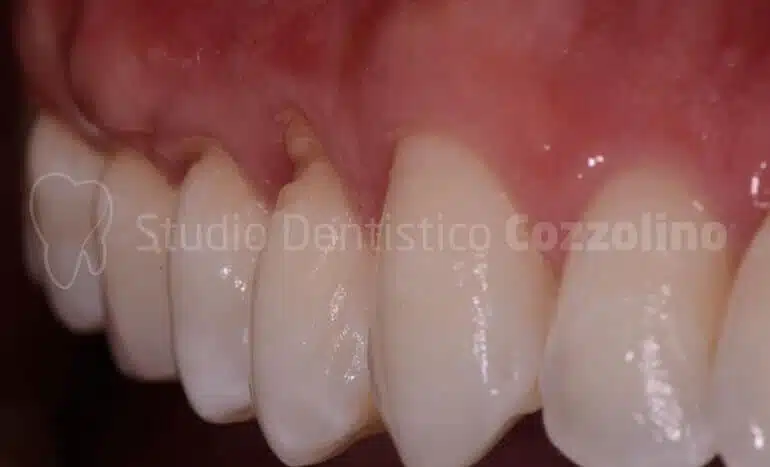
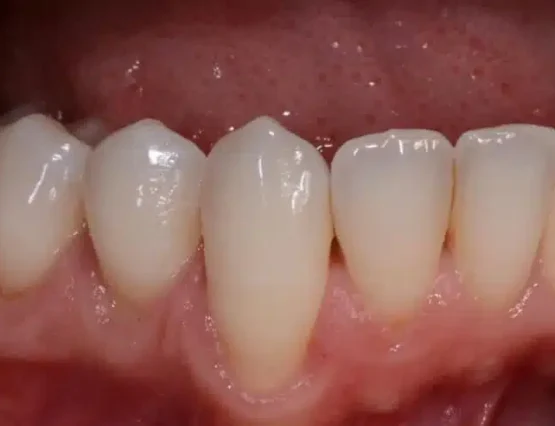
Mucogingival surgery aims to restore gingival levels in order to correct aesthetic concerns caused by exposed tooth roots (gingival recession) and restore a harmonious smile.
Gingival recession can be a consequence of periodontal disease, but it is more commonly caused by incorrect brushing habits. For this reason, it is often associated with erosion of the enamel and root cementum.
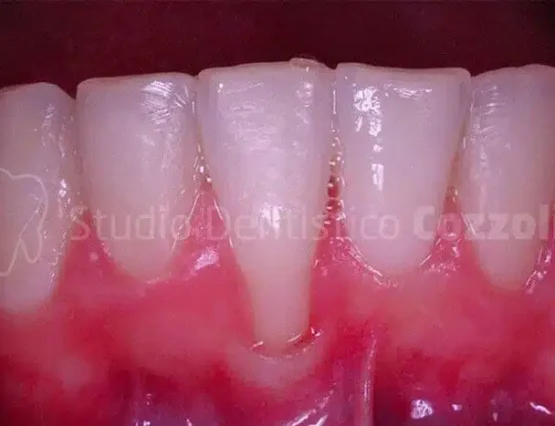
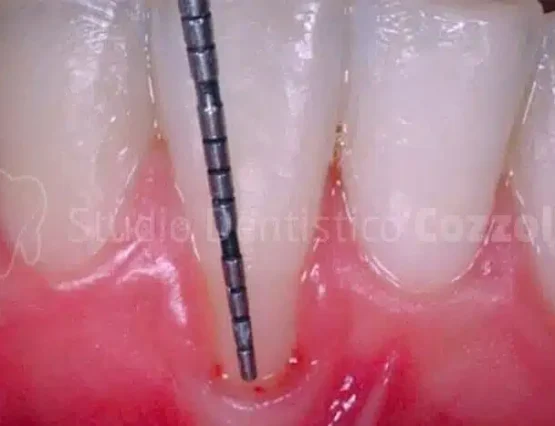
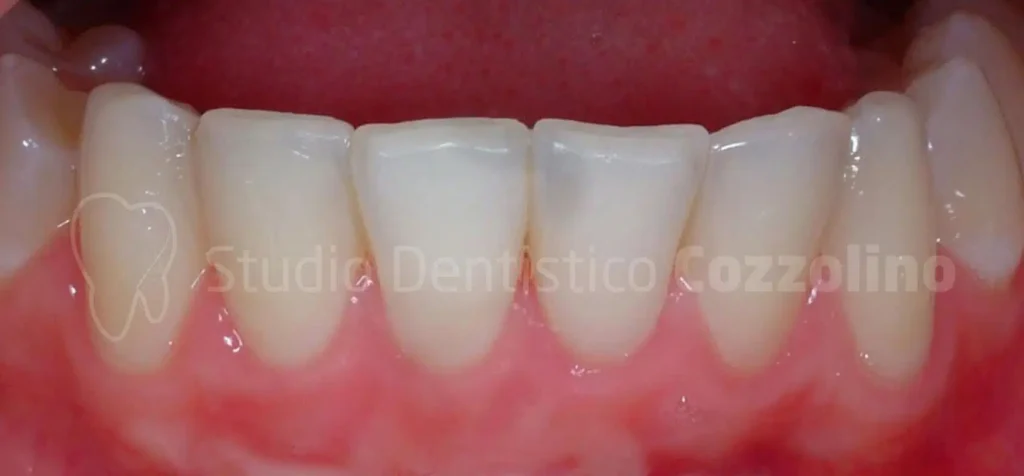
These recessions can be corrected with advanced minimally invasive surgical techniques. Gingival recession caused by incorrect brushing should not be confused with periodontal disease.
Recession caused by incorrect brushing generally affects only the outer surface of the tooth, while the interdental papillae—the gum tissue between the teeth—remain intact. Periodontal disease, on the other hand, is characterised primarily by recession of the interdental papillae, resulting in the appearance of open spaces, known as black triangles, between the teeth.
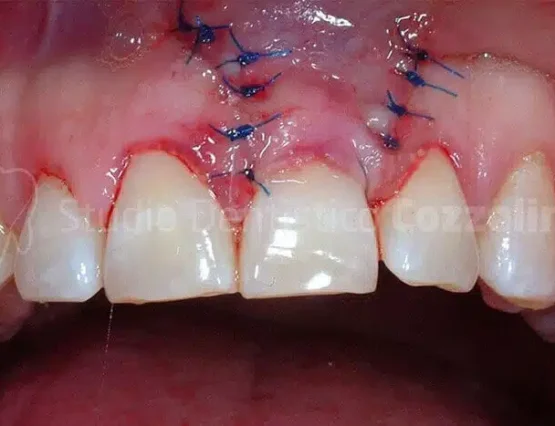
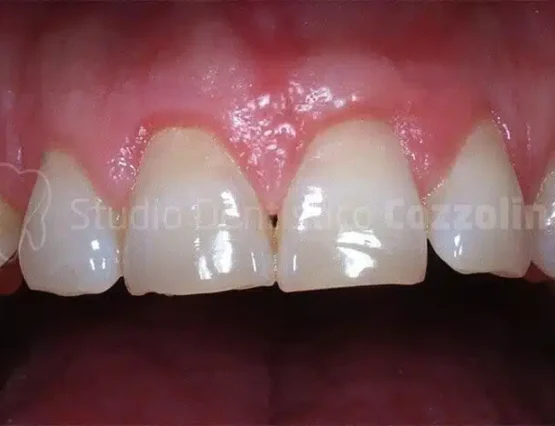
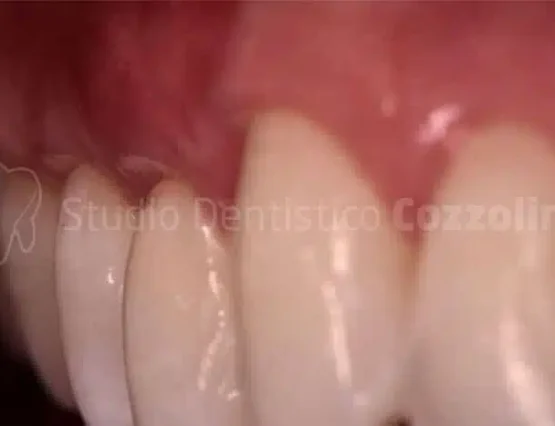
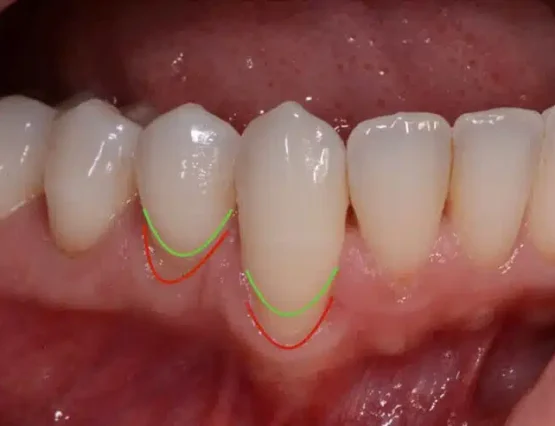
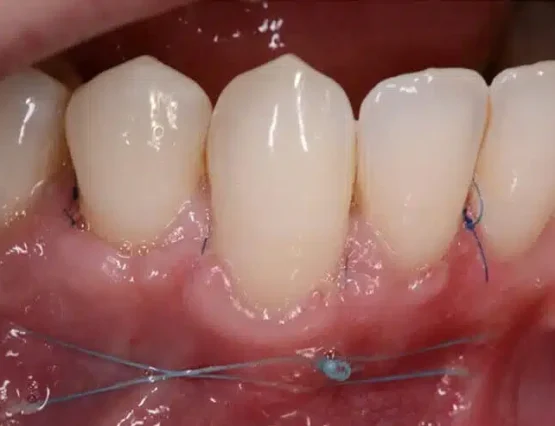
The case shown below illustrates a mucogingival surgical procedure for the treatment of multiple gingival recessions. You can watch a video showing all stages of the surgical procedure and view illustrative photos below. However, the video may not be suitable for sensitive viewers, as it was filmed under a microscope.
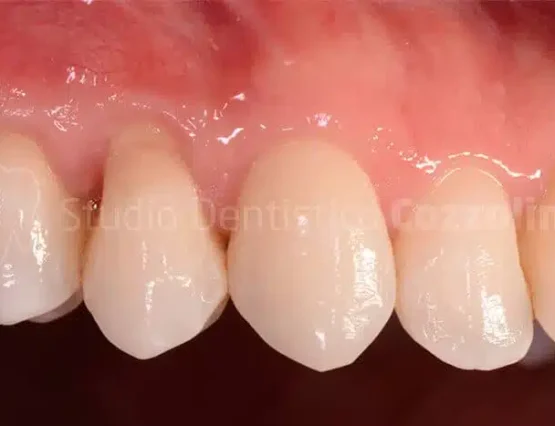
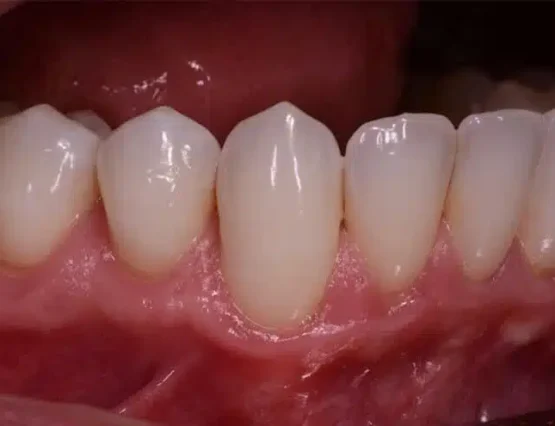
It is worth noting that a gummy smile can often be corrected without surgery through orthodontic treatment, including bracketless lingual orthodontics. By intruding the anterior teeth, the teeth and surrounding gum tissue can be moved upwards, reducing the amount of gum visible when smiling.
In the images below, you can see the planning stage, where the extent of the gingival recessions to be treated is assessed, followed by a post-surgical image showing the successful outcome of the procedure.
Risk, prevention and post-treatment care
Treating periodontitis is important, but treatment alone is not enough. Ongoing monitoring and maintenance are essential to prevent recurrence and further deterioration. Here is what you need to know to maintain good oral health and, more specifically, a healthy periodontium.
What happens if you neglect periodontitis?
Periodontitis is not contagious, but there can be a hereditary predisposition to the disease. It is an infection of the periodontal tissues that can lead to periodontal pocket formation, tooth mobility, bleeding gums, abscesses and, eventually, the loss of one or more teeth. In cases of severe periodontitis where teeth have already been lost, dental implants may be needed to restore chewing function. However, preserving natural teeth whenever possible is preferable to replacing them with implants.
This process can be reversed if diagnosed in its early stages. As periodontal disease progresses, recovery becomes more difficult and may require more complex treatments. In some cases, regenerative bone treatment may be possible. In these advanced forms of periodontitis, however, recovery is often only partial.
Maintenance to prevent recurrence
Once the active phase of treatment has been completed, the patient enters the maintenance phase, which aims to preserve the periodontal health achieved. This phase is based on regular check-ups and professional oral hygiene sessions. Depending on the severity of the periodontal condition, recall appointments may be scheduled every 2 to 6 months.
Prevention of periodontitis
Dentists, dental hygienists and researchers agree that periodontal disease is closely linked to the accumulation of bacterial plaque and that effective oral hygiene plays a fundamental role in prevention. At the same time, some individuals, particularly those with a greater susceptibility to the disease, may require more meticulous oral hygiene than others to reduce their risk of developing periodontitis.
Prevention involves brushing correctly three times a day. We recommend brushing four times a day. Daily flossing can further reduce the risk. Even in the absence of pain, signs of gingival inflammation should not be underestimated and should be assessed by a dental professional.
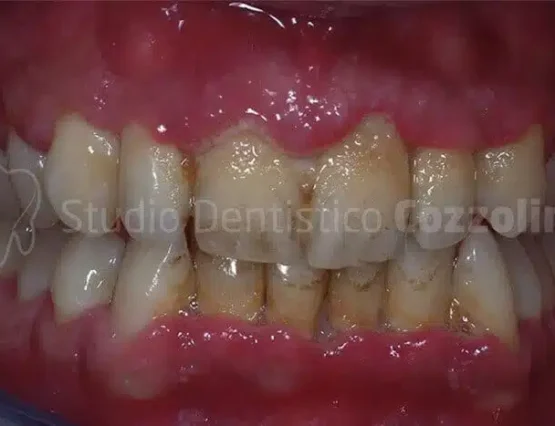
Dental hygiene is the branch of dentistry concerned with professional and at-home procedures aimed at restoring and maintaining oral hygiene and oral health, as well as helping to manage bad breath. Oral hygiene procedures such as the GBT protocol include mechanical methods (professional tartar removal, brushing and flossing) and chemical products (mouthwashes, gels and topical antiseptics) designed to control and reduce the accumulation of plaque and tartar and decrease the bacterial load.
Prophylaxis includes procedures and patient education aimed at preventing the onset of oral diseases (tooth decay, periodontitis and oral cancer), improving unhealthy lifestyle habits (inadequate oral hygiene and poor diet) and reducing risk factors.
- Tonetti MS, Sanz M, et al. Treatment of Stage I-III periodontitis – the EFP S3 level clinical practice guideline. J Clin Periodontol. 2020.
- Tonetti MS, Van Dyke TE, et al. Impact of the treatment of periodontitis on systemic health and quality of life: a systematic review. J Clin Periodontol. 2022;49 Suppl 24:314-327.
- Hajishengallis G, et al. Porphyromonas gingivalis, a Long-Range Pathogen: Systemic Impact and Therapeutic Implications. Microorganisms. 2020;8(6):869.
- Porphyromonas gingivalis, Periodontal and Systemic Implications: A Systematic Review. Dent J (Basel). 2019;7(4):114.
- Periodontitis and Oral Health-Related Quality of Life: A Systematic Review and Meta-Analysis. J Clin Periodontol. 2025;52(3):408-420.
- Global Prevalence of Aggressive Periodontitis: A Systematic Review. 2020.
- StatPearls contributors. Periodontitis. StatPearls Internet. NCBI Bookshelf, 2025.
Other topics to learn more about periodontitis
Unlike tooth decay, periodontitis is mostly asymptomatic, meaning that it does not usually cause pain or obvious symptoms. However, there may be less specific signs, such as bleeding gums, although these are not always reliable. In smokers, for example, reduced blood flow can sometimes prevent the gums from bleeding even in cases of severe periodontal disease. Periodontitis may become painful only at an advanced stage, when abscesses can develop. Increased tooth mobility can also cause pain when chewing. Unfortunately, this often occurs shortly before tooth loss, making replacement with dental implants necessary.
No, periodontitis is not a contagious disease, even though it is caused by bacteria. There is therefore no concern about kissing someone with periodontitis, accidentally sharing a toothbrush, or using the same cutlery. However, it remains a serious disease, and susceptibility to periodontitis can have a genetic component, as certain genotypes are associated with a greater risk and can be inherited from parents.
A patient who has lost teeth due to periodontitis is also likely to experience problems with dental implants if they do not seek the advice of a periodontist and follow the appropriate treatment.
The cost of treating periodontitis depends on the severity of the condition and the number of treatments required. As a general indication, a complete course of treatment to stop periodontal disease can range from €800 to €2,400.
Periodontitis causes the destruction of the periodontal supporting structures, including bone, periodontal fibres, and gum tissue. However, swelling (oedema) of the gums caused by inflammation can conceal recession, which may only become visible at a more advanced stage. It is also possible to treat a decayed tooth affected by periodontal disease.
All periodontal treatments, from initial therapy through to surgery, are performed under local anaesthesia and are designed to be painless. Thanks to modern technologies, surgery can now be avoided in many cases, with sonic periodontal instrumentation making it possible to treat even pockets deeper than 5 mm non-surgically. This can help preserve natural teeth and avoid the need for implants following tooth loss caused by periodontal disease.
Thanks to the modern techniques available today, we can usually stop the destructive process caused by periodontitis, even in younger patients. However, regular check-ups and professional oral hygiene maintenance sessions are essential to preserve the results achieved with initial treatment. Successfully treating a very severe condition does not mean that oral health can subsequently be neglected or routine oral hygiene measures skipped. The risk of tooth loss remains in susceptible individuals.
More than 80% of cases of bad breath originate in the oral cavity. Periodontal disease can play an important role because bacteria within periodontal pockets produce foul-smelling sulphur compounds. Patients suffering from bad breath should therefore first consult a dentist.
In the early stages of mild periodontitis, periodontal pockets and gingival recession can develop, particularly around the interdental papillae. Periodontal pockets can cause aesthetic concerns as well as dentine hypersensitivity. At a more advanced stage, teeth may begin to migrate and flare outwards and may eventually be lost. They may then need to be replaced with dental implants, which, due to their rough surface, can accumulate plaque and may be susceptible to peri-implant bone loss.
Periodontitis cannot be treated with homeopathic treatments or DIY remedies for pyorrhea, such as traditional home remedies. A clear diagnosis and appropriate treatment are required to…
Do you want a beautiful smile without periodontitis? Contact us today
People with periodontitis may feel uncomfortable smiling or appearing in public because their teeth are loose and damaged. Is the fear of losing your teeth holding you back? Today, you can stop periodontal disease and keep smiling without dental implants. Contact us today to stop periodontitis.
Our team is available to assist international patients, provide clear information, and support you before and during your visit to Naples.
- Phone: +39 081 245 1805
- Email: info@studiodentisticocozzolino.it
- Address: Via Raffaele De Cesare 31, 80132 – Naples, Italy
We recommend contacting us in advance to better organize your visit and ensure the best possible care. Ask for info or schedule a visit.
Do you want a beautiful smile without periodontitis? Contact us today
People with periodontitis may feel uncomfortable smiling or appearing in public because their teeth are loose and damaged. Is the fear of losing your teeth holding you back? Today, you can stop periodontal disease and keep smiling without dental implants. Contact us today to stop periodontitis.
Our team is available to assist international patients, provide clear information, and support you before and during your visit to Naples.
- Phone: +39 081 245 1805
- Email: info@studiodentisticocozzolino.it
- Address: Via Raffaele De Cesare 31, 80132 – Naples, Italy
We recommend contacting us in advance to better organize your visit and ensure the best possible care. Ask for info or schedule a visit.
