
Are you afraid of the dentist, missing some teeth, but still hiding your smile?
Here’s what you need to know about dental implants and pain-free implantology
Restore your smile
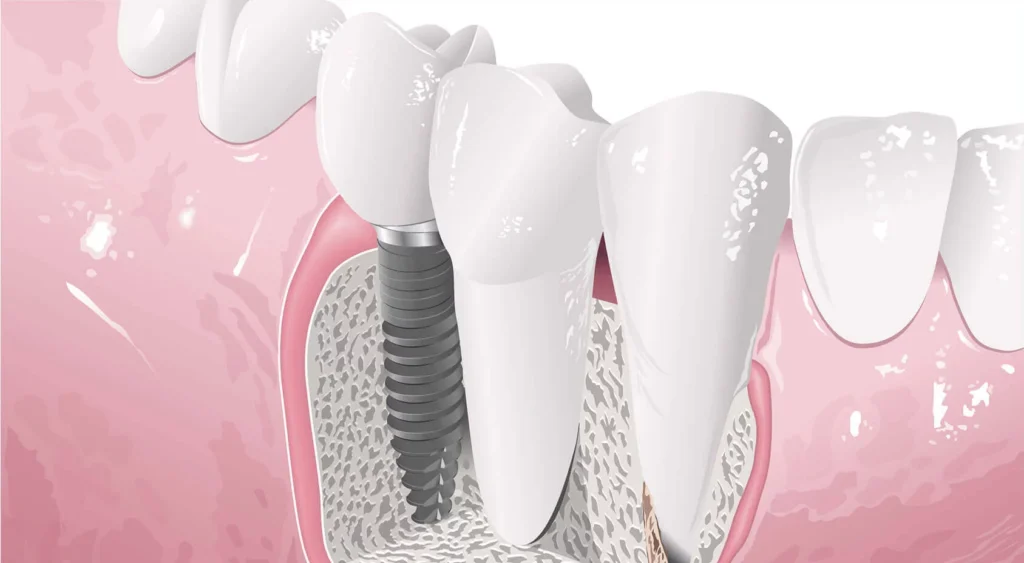
You can get single dental implants or an All-on-4 treatment even if you have limited bone, without stitches or traditional surgery. Dental implantology (or dental implant treatment) is a branch of dentistry that focuses on replacing missing or damaged teeth with dental implants. A dental implant is a fixed prosthetic solution consisting of a titanium screw, or a similar material, that acts as an artificial tooth root and is placed in the jawbone. An abutment then connects the implant to the crown, which is the visible part of the restoration and is designed to replicate the natural tooth in both shape and color.
Why choose our dental implantology services?
Pain-free dental implants
We use advanced technologies and minimally invasive procedures to reduce patient discomfort and stress as much as possible. Conscious sedation is also available for patients who feel anxious about guided implant surgery.
Continuous follow up
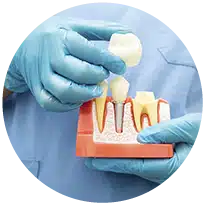
After your implants are placed, ongoing support is essential. At Cozzolino dental office we will monitor you progress throughout the recovery process, ensuring that you always have a dedicated point of reference after your implant treatment.

Dental implants in 24 hours
When the patient’s individual circumstances allow, we can restore your smile in a single appointment. This may involve extracting the remaining teeth and immediately placing the implants, allowing us to restore entire arches in a short period of time.
Smile with confidence, without the fear of pain.
Who provides dental implant treatment at Cozzolino office?
Today, Cozzolino dental office provides treatment for both straightforward dental implant cases and more complex situations, including the rehabilitation of severely compromised dental arches, immediate-load implants, and All-on-4 solutions when the available bone is not in ideal condition. These treatments are carried out by Dr. Fabio Cozzolino, who is also a expert in the EWF technique for atraumatic tooth extractions. This is particularly important because a successful implant treatment often begins with a properly performed extraction—without damaging the bone that will later support the dental implant.

Dr. Fabio Cozzolino is the author of this guide. He is an oral surgeon with expertise in periodontitis, dental implants, and atraumatic tooth extractions using the EWF method. He has published numerous scientific studies and refined a forceps-free extraction technique that uses only dental elevators.
What is dental implantology and what is it used for?
With implantology, you may be able to receive a dental implant even if you have limited bone or have periodontitis, provided the condition is under control. When clinical conditions allow, it may be possible to avoid incisions and stitches and use an All-on-4 technique for full-arch restorations. Your implantologist—a dentist with expertise in dental implant treatment—will assess your individual situation and determine the most appropriate solution. Some dental implant techniques can be used to replace individual teeth, groups of teeth, or to support a complete dental-arch restoration.
Why consider dental implant treatment?
To protect and restore your oral health. Missing teeth can make chewing difficult and affect your diet, potentially impacting your quality of life and social interactions. Showing a toothless smile can also cause anxiety and embarrassment. Whenever possible, the first choice should always be to preserve your natural teeth.
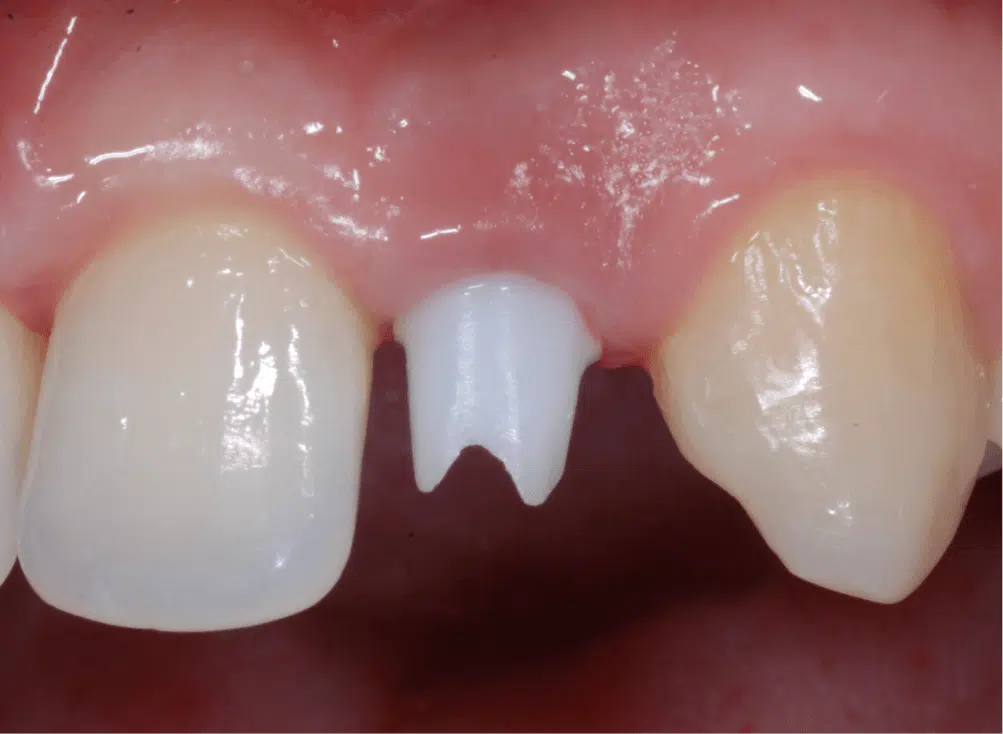
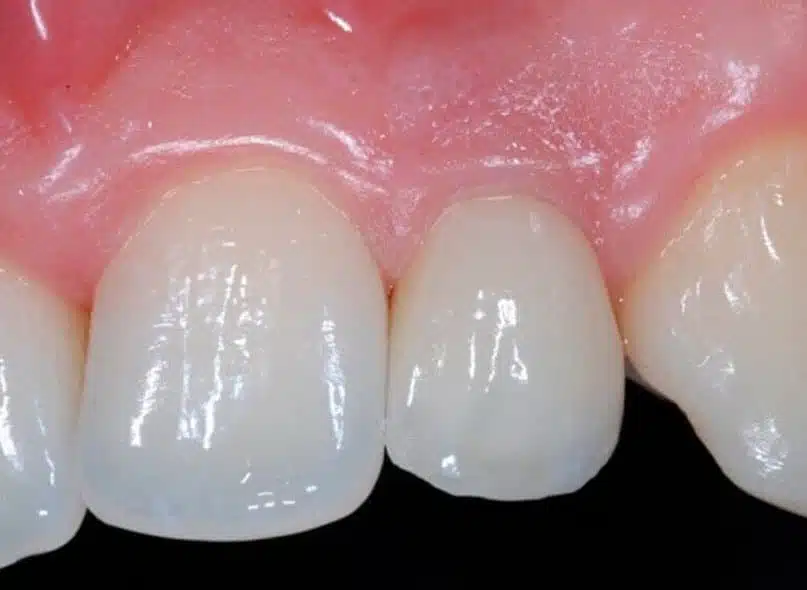
If root canal treatment and other therapies are no longer viable options for saving the natural teeth, extraction may be necessary. Over time, tooth loss can lead to resorption of the alveolar bone, altering the facial profile and potentially giving the face an older appearance. Dental implants can replace missing teeth, restoring chewing function, speech, and the aesthetics of your smile.
Are dental implants as stable as natural teeth?
Yes, you should not notice a significant difference. Another advantage is that the teeth adjacent to the missing tooth can remain completely intact. Implant-supported restorations do not require natural teeth to be filed down or reduced. When determining the cost of a dental implant, several factors need to be considered, including oral surgery procedures, the components of the implant, any additional treatments that may be required, and the number of missing teeth.
Is it important to replace a missing tooth with a dental implant?
Absolutely. When a tooth is lost, in addition to the gradual resorption of the bone and gum tissue, the teeth behind the extracted tooth may shift forward, while the opposing tooth may move downward. This can compromise the health and alignment of several other teeth.
Losing multiple teeth without replacing them can lead to changes in facial structure and increased mobility of the remaining teeth due to occlusal trauma.
Unlike removable dentures, dental implants can help avoid many of the discomforts associated with dentures, including soreness caused by gum irritation, as well as the concern and embarrassment that dentures may move or shift while eating certain types of food.

Dental implants: what they are, how they work, types and materials
A dental implant, also known as an endosseous implant, is a permanent prosthetic solution that replaces a missing, extracted, or lost tooth. It is placed through a surgical procedure in which an artificial component, usually made of titanium, is inserted into the upper or lower jawbone.
Dental implantology is the branch of dentistry focused on the management and placement of dental implants in the maxillary and mandibular bone. What does a dental implant consist of? Here are its main components:
- Implant or fixture: the screw-shaped component that integrates with the bone through osseointegration.
- Abutment: the connecting component that supports the crown.
- Crown: the visible part that reproduces the natural tooth.
This involves a dental implant placement procedure. Implantologists can also perform immediate post-extraction implant placement. What does this mean exactly? The dentist extracts damaged or diseased teeth and, when clinically appropriate, places the implants directly into the extraction sockets during the same procedure.
This technique can be combined with immediate loading, meaning that a temporary prosthesis can be attached to the implants at the same time they are placed.
This allows tooth extraction and implant placement to be performed during the same appointment and is known as immediate-load dental implantology. In other words, it is a solution that allows a dental prosthesis to be attached to the implant immediately or shortly after implant placement.
What material are dental implants made of?
Material quality is a crucial factor. Next-generation dental implants are made from titanium-zirconium alloys, which are stronger than Grade 4 titanium. They feature an SLActive implant surface, designed to promote osseointegration in less time than standard implant surfaces. This can make it possible, for example, to load an implant in the lower jaw as early as three weeks after placement.
Can dental implants be placed if there is limited bone?
When the available bone is very thin, we can increase the bone volume using regenerative techniques, or use a thinner but equally strong implant thanks to its titanium-zirconium alloy, known as Roxolid. Short implants can be used in the lower jaw when there is limited bone height above the inferior alveolar nerve. They can help avoid the need for certain bone-regeneration procedures.
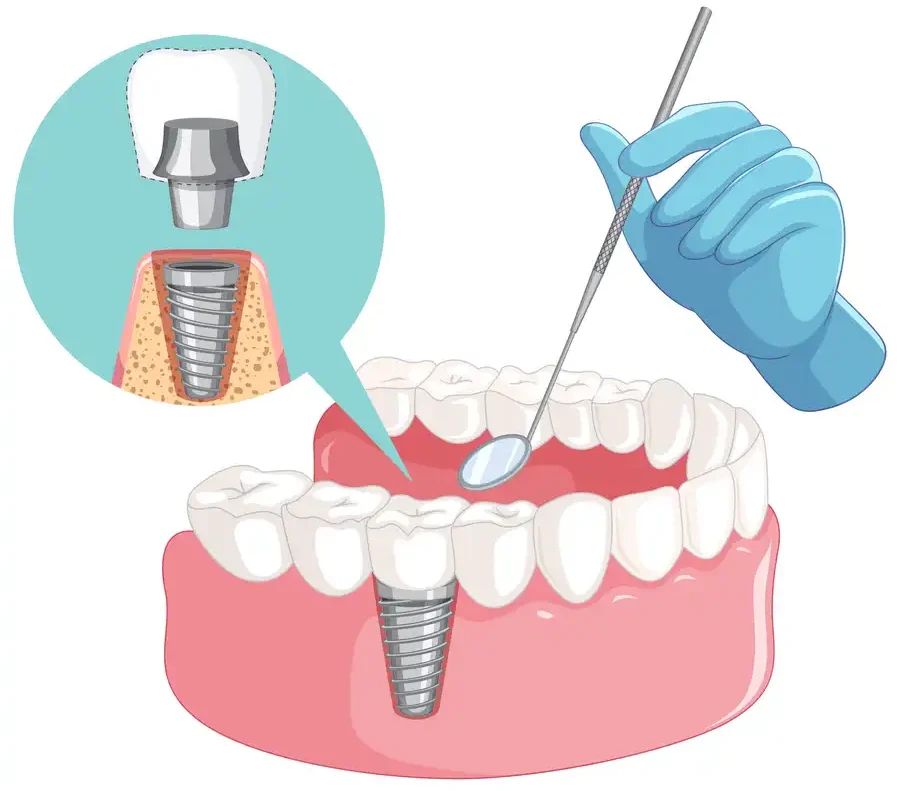
What is a dental implant made of?
A dental implant consists of three main components; it is not a single piece, even though it may appear that way at first glance. Fixed implants can be used to replace a single tooth or to address more complex situations. The components, however, remain the same:
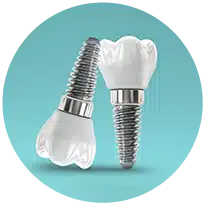
- The titanium part inserted into the bone, known as the fixture: a screw or post that replaces the missing tooth root.
- The connecting component: the attachment or prosthetic connector that connects the implant to the crown, also known as the abutment.
- The visible dental implant crown: custom-made to match the shape and color of the original tooth.
Dental implants are made from a biocompatible material: medical-grade titanium, which integrates well with the bone without causing a foreign-body reaction. Among the leading implant manufacturers are Straumann and Nobel Biocare, companies whose reliability is certified by the International Team for Implantology.
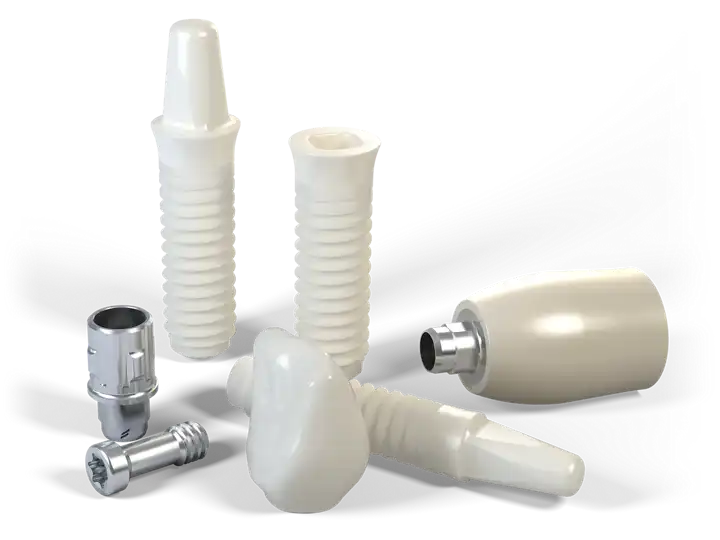
Is it true there are also white dental implants? Yes. Straumann PURE Ceramic implants are made entirely of zirconia and are particularly suitable for patients with a very thin gum biotype or for those who simply prefer a metal-free solution
What is bone regeneration for dental implants?
With guided implant surgery, we can place several dental implants during the same appointment, in a relatively short time. However, this is possible when there is sufficient bone support available.
When there is insufficient bone, implant placement may require bone and/or soft-tissue regeneration procedures (grafting), with or without the use of membranes. The choice of implant must also be carefully evaluated, as certain implants may make bone regeneration unnecessary because they can achieve good stability even when bone availability is limited.
Thanks to narrow implants made from a stronger titanium-zirconium alloy such as Roxolid, a Straumann proprietary material, as well as 4 mm short implants, it may be possible in cases of limited bone volume to avoid bone regeneration procedures.
Why does a dental implant fail?
In the immediate or short term, an implant may fail due to surgical errors, such as overheating of the bone or contamination of the implant surface with saliva.
However, an implant may also become loose and eventually fall out at a later stage if the patient smokes soon after surgery or places excessive chewing forces on the implant, causing micromovements. There are several possible reasons for dental implant failure.
Who is responsible if the procedure is unsuccessful? The dentist may be responsible when there are deficiencies in the surgical procedure or treatment. However, patients must also follow specific post-operative instructions to reduce the risk of implant failure.
Permanently resolve toothlessness
How is a dental implant placed?
Placing a dental implant traditionally involves making a small incision of a few millimeters in the gum, creating a hole in the bone using a low-speed rotary drill, screwing the implant into the prepared site, and then placing a couple of stitches.
Before undergoing a procedure to place a dental implant, at-risk patients in particular may be prescribed a course of antibiotics to reduce the risk of post-operative infections that could lead to implant failure.
The procedure is performed under local anesthesia and takes approximately 30 minutes. You should not feel any pain during the procedure. If you suffer from dental anxiety or fear of the dentist, conscious sedation with an anesthesiologist available at the practice can also be used.
After a few days, the stitches are removed when conventional flap surgery has been used. There are also techniques for placing dental implants without traditional surgery or stitches.
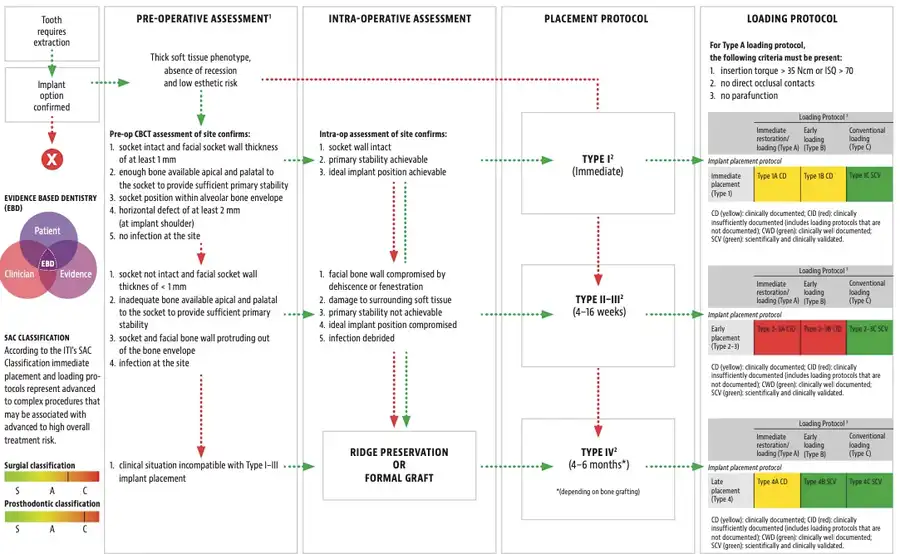
When using implants with an SLA surface, it is necessary to wait 3 months for the upper arch and 1.5 months for the lower arch before osseointegration of the implants is complete and the implants can be loaded and restored with a prosthesis.
Straumann implants are the only ones featuring an SLActive surface, which allows implants to be restored in half the time: after 6 weeks in the upper arch and just 3 weeks in the lower arch. However, in cases involving complex bone-regeneration procedures performed at the same time as implant placement, it may be necessary to wait 6–9 months before proceeding with the prosthetic restoration.
Does getting a dental implant hurt?
Many people [are afraid of the pain caused by dental implant surgery]. In reality, every procedure is performed under local anesthesia, so the patient does not feel any pain during the procedure. In selected cases, conscious sedation can also be provided at the dental practice.
Computer-guided surgery can help patients who are afraid of pain or of the surgical procedure required to place dental implants. It is a less invasive approach. It is no longer necessary to open the gums by lifting the flaps to place the implants, which can help avoid stitches, bleeding, a scalpel, and certain complications or discomfort associated with dental implant surgery.
Post-operative care after dental implant placement?
After surgery, patients should always follow their dentist’s instructions. It is important to emphasize that implant rejection does not occur, since the titanium used to make dental implants is a biocompatible, bio-inert material.
Post-operative care following dental implant treatment is important. During the period of osseointegration after placement, an implant must never be subjected to micromovements greater than 150 microns. If this occurs, the implant may fail. To reduce this risk when multiple implants are placed, they can be connected by the prosthesis in such a way as to limit micromovements.
How long does pain last after getting a dental implant?
If overheating of the bone is avoided through adequate irrigation with saline solution during site preparation, using a retraction suture to prevent contamination with saliva, and following all the principles of minimally invasive and sterile surgery, post-operative healing should be straightforward and involve little discomfort. Take painkillers and antibiotics for dental implants only as directed, and always follow your dentist’s instructions.
How long does it take to get a dental implant?
Dental implants become firmly anchored to the bone through a biological process known as osseointegration. Only once osseointegration has taken place can the implants be loaded and receive their definitive restoration. How long do we need to wait? The time required is 3 months for the upper arch, where the bone is softer, and 1.5 months for the lower arch, where the bone is denser. These waiting times can be reduced by half when implants with a different surface are used, such as the SLActive surface, which allows the implants to be loaded after 1.5 months in the upper arch and after just 3 weeks in the lower arch.
The timing for loading the implants depends on the dental technique used. With computer-guided implant surgery, for example, it may be possible to place the dental implants and restore them immediately. This is because the temporary prosthesis can be prepared before surgery, based on the planned position of the implants. When bone density allows it, a fixed temporary prosthesis can be fitted at the same time as the implants are placed. This means that patients undergoing guided implant surgery can have fixed teeth again within 2–3 hours, while achieving excellent aesthetic results. All with excellent biological integration.
All-on-4: dental implant treatment for the upper and lower arch
All of this becomes even easier thanks to computer-guided implant surgery using the All-on4 or All-on-6 techniques. These solutions are ideal for reducing treatment times and stress. Through guided surgery and immediate loading, they make it possible to restore an entire arch with fixed acrylic teeth in just 24 hours, using 4 or 6 implants per arch and helping to reduce the overall treatment cost.
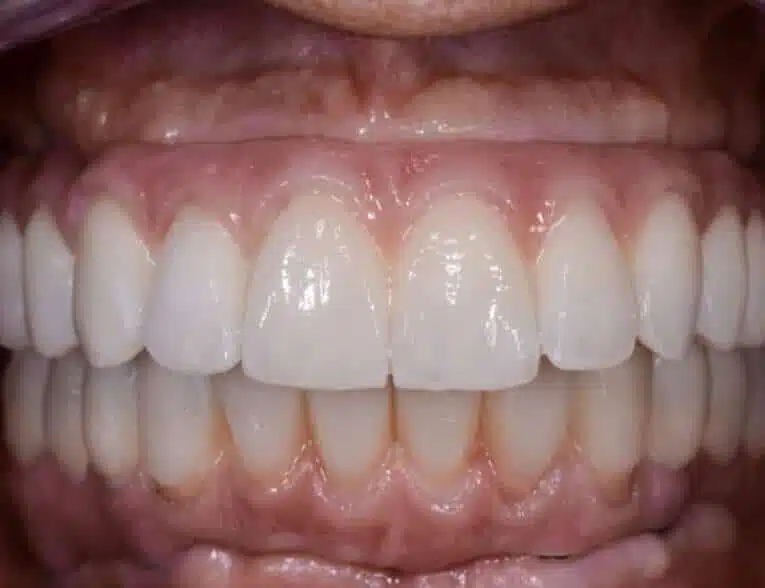
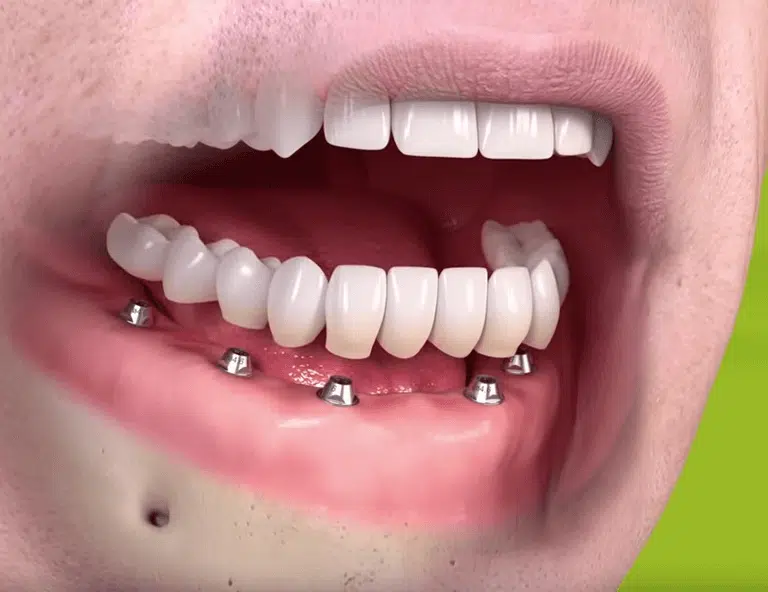
With All-on-4 and immediate loading, you can receive full-arch implant treatment supported by a temporary prosthesis, making it an ideal solution for patients with an entirely edentulous arch. Tooth loss can be addressed by placing 4 implants, or in some cases 6 (All-on-6), positioned strategically within the mouth. It is important to remember that immediate loading is always carried out using a temporary acrylic prosthesis, rather than a zirconia or ceramic restoration. This is one of the reasons why treatment costs are more affordable.
The All-on-4 technique makes it possible to restore an entire arch with fixed teeth within 24 to a maximum of 48 hours, using a reduced number of implants in areas where more bone is available. Extensive bone-regeneration procedures can often be avoided, resulting in a lower overall treatment cost. With All-on-4 combined with immediate loading, patients can receive a full-arch implant-supported restoration within just a few hours, initially using a temporary prosthesis.
Placing 4 or 6 implants (All-on-4 or All-on-6) is often a cost-related choice, but it may also be due to insufficient bone volume in the posterior areas, which can require the posterior implants to be placed at an angle. Whenever possible, it is generally preferable to place 6 implants rather than 4.
After the 3-month period required for osseointegration, the temporary prosthesis should always be replaced with a definitive gold-ceramic or zirconia-ceramic prosthesis. These highly aesthetic and durable materials can provide a natural, harmonious smile. All-on-4 or All-on-6: which is better?
What does “immediate-load dental implant” treatment mean?
The term immediate loading in implantology is also commonly used. It refers to the possibility of placing the implant and the prosthetic restoration during the same appointment as the tooth extraction.
This technique has the advantage of reducing the time needed to restore your smile. Immediate-load implants (placement of the implant and prosthesis during the same appointment) should not be confused with post-extraction implants, which involve extracting one or more teeth and placing the implants at the same time.
When in immediate-load dental implant treatment recommended?
Immediate loading allows the prosthesis to be fitted at the same time the implant is placed. It is used primarily for the patients who are completely edentulous, meaning they have no teeth. Immediate loading can also be performed for a single tooth in the aesthetic zone. In this case, an implant and corresponding prosthetic crown can be placed during the same appointment.
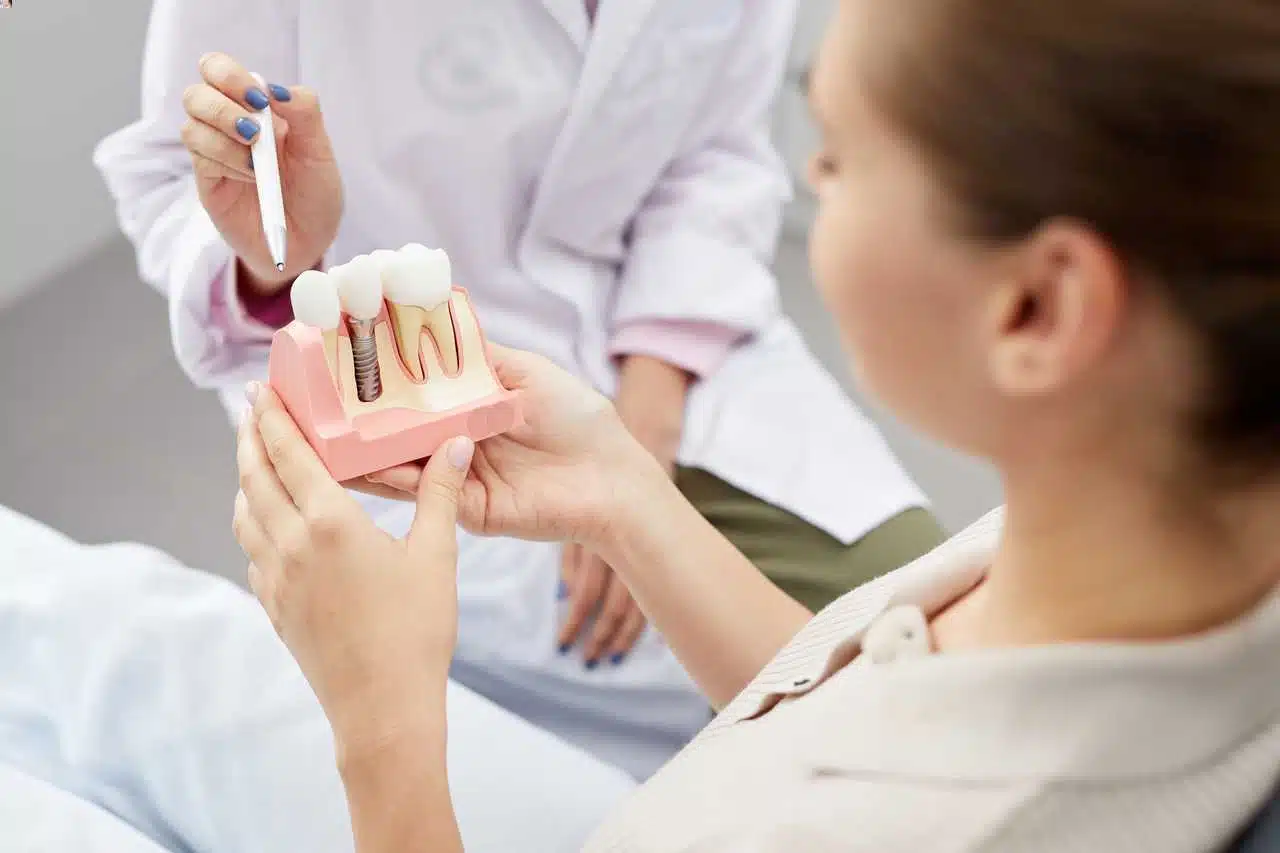
The fundamental requirement for immediate-load dental implant treatment is that the implants have good primary stability at the time of placement (around 50 Newtons of insertion torque). In other words, they must be firmly anchored in the bone to minimize micromovements. In cases of soft bone, immediate loading is contraindicated.
The Concept of Splinting in Immediate Loading
Splinting multiple implants together with a temporary screw-retained prosthesis immediately after placement, combined with adequate primary implant stability, is one of the key factors for the success of immediate-load implant treatment. If, during the months following implant placement, an implant is subjected to excessive loading and experiences a micromovement of just 150 microns, fibrointegration rather than osseointegration may occur, and the implant may need to be removed.
For this reason, immediate loading can only be performed when the implants are splinted together and the bone density provides adequate primary stability to limit micromovements during healing. For the same reason, immediate loading can also be performed with single implants in the aesthetic zone, because these implants are not subjected to significant functional loading and are excluded from normal chewing forces.
RESTORE YOUR SMILE WITH DENTAL IMPLANTS
How to place dental implants without incisions or stitches
With advanced surgical techniques such as guided implant surgery, it is possible to plan implant placement using highly precise software, allowing for minimally invasive procedures without raising a surgical flap.
This means no stitches, a shorter and easier post-operative recovery, and greater comfort for patients who are afraid of pain, resulting in very positive experiences with this approach.
The benefits of computer-guided implant surgery
Computer-guided implant surgery is an approach to dental implant placement that increases the precision of the surgical procedure and the predictability of treatment outcomes.
Guided implant surgery is planned digitally using 3D software after a dental scan (Cone Beam CT of the jaws) has been performed at the practice and a digital impression has been taken with an intraoral scanner.
Once the CT scan has been matched with the digital impression and the implants have been virtually planned, a surgical guide is created to enable precise, guided implant placement without raising a surgical flap. Implants can be planned and placed for all types of indications, from single-tooth replacement to full-arch rehabilitation. This approach offers many benefits for patients.
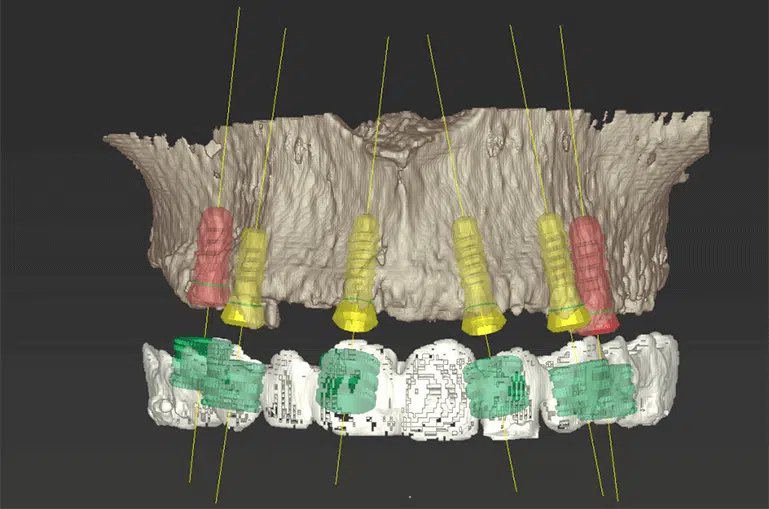
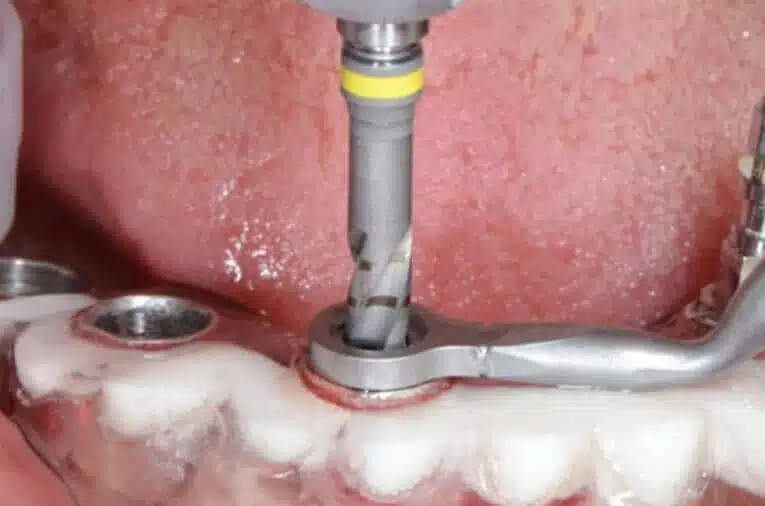
Especially for patients who are afraid of pain or of the surgical procedure required to place implants, guided surgery provides greater treatment predictability with significantly less invasiveness. Thanks to this approach, we can perform flapless implant surgery.
There is no longer any need to open the gums by raising large surgical flaps to place the implants. This helps avoid stitches, bleeding, and post-operative pain.
Guided surgery allows implants to be placed with great precision and in the correct position in relation to the planned prosthesis, since the technique allows both the future restoration and implant placement to be digitally simulated. Are there any disadvantages?
Limitations of flapless, scalpel-free implant surgery
The main limitation of guided surgery without raising a surgical flap is when there is insufficient bone or an inadequate amount of gum tissue.
With guided implant surgery, when a flap is not raised, it is not possible to properly manage the hard and soft tissues at the same time as implant placement. In practice, bone and gum tissue cannot be regenerated without making an incision and raising a gum flap.
If a flap does need to be raised, guided surgery can still be used for the precise positioning of the implants. In this case, a bone-supported surgical guide can be used with the flap open, allowing bone regeneration or soft-tissue augmentation to be performed when necessary.
Frequently asked questions about dental implant treatment
Patients who undergo these treatments often have many questions. Here are some answers that may help you make an informed decision about restoring your smile.
Although dental implants offer a high degree of predictability, durability, and good aesthetics thanks to materials such as titanium, they can break or become loose and fall out. For this reason, you should take great care of your new teeth, avoiding impacts and maintaining thorough oral hygiene.
Yes, it is absolutely possible to correct an open bite with invisible lingual bracketless fixed orthodontics, although the effectiveness depends on the cause of the problem. This orthodontic technique can also correct diastema and other types of dental crowding. Invisible bracketless orthodontics is effective even in severe cases, unlike some invisible appliances that may not work in specific situations.
While the procedure may seem relatively simple from the patient’s perspective, it is a highly complex procedure for the dentist. Even a slight error in the implant’s angle or overheating of the bone, for example, can compromise the entire outcome. This is why dental implant treatment can be costly. Quality comes at a price.
With immediate-load implant treatment, the surgical procedure and placement of the prosthesis can be completed within a few hours. The design and fabrication of the prosthesis require a similar number of appointments to those involved in traditional implant and prosthetic treatment. This means the overall treatment time can be significantly reduced.
We can say that there are no absolute contraindications to dental implant treatment, including age-related contraindications. For example, titanium allergies are extremely rare, and even cases of severe bone atrophy can be treated with procedures involving extraoral bone grafting. Today, one of the main potential limitations to implant treatment may be financial considerations.
A completely white ceramic implant—not just the visible upper crown—is an aesthetic solution for patients with specific needs who prefer a metal-free option for dental implant treatment.
Absolutely. Regular three-monthly check-ups are recommended for professional dental cleaning and to clean and maintain the dental implant. Plaque and tartar can affect implants just as they affect natural teeth, causing mucositis and peri-implantitis, which can eventually lead to implant loss. Would you like to learn more? Read more about the lifespan of dental implants.
Yes, you should not notice a difference. Another advantage is that the natural teeth adjacent to the missing tooth can remain completely intact. Implant-supported restorations do not require natural teeth to be filed down or reduced. When determining the cost of a dental implant, the oral surgery procedures involved must also be taken into consideration.
Contact us to get answers to your dental implant questions
Don’t wait for the problem to get worse: the sooner you seek treatment, the simpler and less invasive the solution is likely to be. Do you have swelling after dental implant surgery or a problem with a dental implant that feels loose or moves? Contact us for an evaluation. We will clearly explain whether your case requires a single dental implant, full-mouth rehabilitation, or solutions for areas with limited bone volume, and what treatment timeline you can expect.
Our team is available to assist international patients, provide clear information, and support you before and during your visit to Naples.
- Phone: +39 081 245 1805
- Email: info@studiodentisticocozzolino.it
- Address: Via Raffaele De Cesare 31, 80132 – Naples, Italy
We recommend contacting us in advance to better organize your visit and ensure the best possible care. Ask for info or schedule a visit.
